Stock photography plays a vital role in modern marketing, design, and content creation. Teams rely on stock images for websites, advertisements, social media campaigns, and presentations. However, while sourcing visuals is easy, managing stock photo licenses across multiple team members can quickly become complicated. Without proper organization, businesses risk legal issues, duplicated expenses, and misuse of licensed content. Establishing a clear license management system helps teams work efficiently while staying compliant with usage rights.
Why Stock Photo License Management Matters
Every stock image comes with specific licensing terms that define how it can be used, shared, or distributed. These terms vary depending on the provider, license type, and intended usage. When multiple employees download or use images independently, tracking these permissions becomes difficult.
Poor license management can lead to serious consequences, including copyright violations or unexpected fees. A structured process ensures that all visuals used in marketing materials comply with licensing agreements. Teams that utilize resources such as a BigStock Coupon to access affordable stock images still need proper tracking systems to maintain legal compliance and avoid misuse.
Create a Centralized Asset Management System
The most effective way to manage licenses is by centralizing stock media assets. Instead of allowing individual team members to store images locally on personal devices, organizations should maintain a shared digital asset management system.
A centralized library allows teams to store approved images along with licensing details, purchase dates, and permitted usage information. Cloud storage platforms or dedicated asset management tools make it easier for employees to locate images without downloading duplicates or violating license restrictions.
Centralization also ensures that everyone accesses the same approved visuals, promoting brand consistency across projects.
Assign Clear Roles and Responsibilities
License management works best when responsibilities are clearly defined. Assign a specific team member or department—such as a marketing manager or creative lead—to oversee stock photo purchases and approvals.
This person can manage subscriptions, track license agreements, and verify that images are used according to terms. By limiting purchasing authority, teams reduce confusion and prevent unauthorized downloads.
When using discounts like a BigStock Coupon, maintaining a designated purchasing process also ensures cost efficiency and prevents overlapping expenses across departments.
Document License Information Carefully
Proper documentation is essential for long-term compliance. Every downloaded image should include recorded information such as the source platform, license type, usage limitations, and expiration details if applicable.
Creating a simple tracking spreadsheet or digital database allows teams to monitor image usage easily. Including links to license agreements provides quick reference if questions arise later.
Documentation becomes especially valuable when campaigns expand across multiple platforms or when teams revisit older projects.
Educate Team Members About Licensing Rules
Many licensing issues occur simply because team members are unfamiliar with usage restrictions. Providing basic training helps employees understand how stock photo licenses work and why compliance matters.
Teams should learn key principles such as avoiding unauthorized redistribution, respecting editorial versus commercial licenses, and confirming permissions before modifying or sharing images externally. Education reduces accidental violations and promotes responsible content creation.
Conduct Regular License Audits
Periodic reviews help organizations maintain organized records and ensure continued compliance. Teams should review stored images, remove unused assets, and verify that licenses still cover current marketing uses.
Audits also help identify duplicate purchases or outdated visuals that can be replaced with more relevant content. Maintaining updated records protects both creative teams and the organization as a whole.
Conclusion
Managing stock photo licenses across a team requires organization, communication, and clear processes. By centralizing assets, assigning responsibilities, documenting licenses, educating employees, and conducting regular audits, businesses can avoid legal risks while maintaining efficient workflows. Leveraging cost-saving opportunities such as a BigStock Coupon becomes even more effective when paired with strong license management practices, allowing teams to focus on creativity while ensuring responsible and compliant use of visual content.
Stock photography has revolutionized the way we create and consume visual content. From its humble beginnings in the 1920s to today’s vast digital marketplaces the industry has undergone remarkable transformations that continue to shape modern media.
We’ve witnessed stock photography evolve from physical glass plates and film archives to sophisticated online platforms offering millions of images at our fingertips. The journey began with pioneers like H. Armstrong Roberts who first recognized the need for pre-shot photographs that could be licensed for commercial use. Today this multi-billion dollar industry serves everyone from small bloggers to major advertising agencies making high-quality visuals accessible to all.
Understanding Stock Photography: A Brief History
Stock photography revolutionized visual communication by providing ready-to-use images for commercial purposes.
Early Days of Commercial Photography
Commercial photography emerged in the 1920s when photographers began creating generic images for advertisements. H. Armstrong Roberts established the first stock photo agency in 1920 by creating an archive of pre-shot photographs specifically for commercial licensing. Professional photographers documented daily life scenes industries business activities to build diverse image collections. These collections served newspapers magazines advertising agencies through physical catalogs film negatives.
The Rise of Stock Photo Agencies
Stock agencies expanded rapidly between 1960-1980 as demand for commercial imagery increased. Major agencies like Getty Images Image Bank Magnum Photos developed sophisticated distribution networks during this period. The industry adopted standardized licensing models rights-managed exclusive rights that defined image usage terms. Photographers partnered with multiple agencies to maximize their reach earning potential through commission-based sales systems.
Transition from Print to Digital
Digital technology transformed stock photography in the 1990s by eliminating physical storage constraints. The shift enabled agencies to:
Convert film archives into digital formats
Implement searchable online databases
Develop automated purchasing systems
Introduce royalty-free licensing options
Create subscription-based services
User Type
Impact
Small Businesses
Affordable access to professional images
Publishers
Instant downloads high-resolution files
Marketers
Diverse image selection quick acquisition
Content Creators
Direct purchasing without agency mediation
Evolution of Stock Photo Business Models
Stock photography business models transformed from exclusive licensing arrangements to accessible digital marketplaces, reshaping how images are bought and sold.
Rights-Managed Licensing
Rights-managed licensing established the first structured business model for stock photography in the 1960s. This model allowed photographers to sell specific usage rights based on factors like circulation, duration and geographic location. Large agencies implemented detailed pricing matrices that calculated costs based on image placement size, publication type and distribution reach. The rights-managed system protected image exclusivity by tracking each license and preventing duplicate usage in competing materials.
Royalty-Free Revolution
The royalty-free model emerged in the 1990s with the rise of digital distribution. This approach enabled buyers to purchase images once and use them multiple times without additional fees. Key features included:
Standardized pricing based on file size
Unlimited usage rights across multiple projects
No time restrictions on image usage
Simplified purchasing process without complex negotiations
Microstock Photography Movement
Microstock platforms revolutionized the industry in the early 2000s by introducing crowd-sourced content at dramatically lower prices. This model created:
Credit-based purchasing systems starting at $1 per image
Subscription plans for high-volume users
Quality control through community ratings
Direct photographer uploads with automated approval processes
Revenue sharing through photographer commissions
The movement democratized stock photography by enabling amateur photographers to sell their work while providing affordable options for small businesses and independent creators.
Key Players in Stock Photo History
The stock photography industry evolved through the contributions of several prominent companies that shaped modern visual content distribution.
Getty Images
Getty Images revolutionized stock photography in 1995 by pioneering digital image distribution and establishing the industry’s largest commercial image library. The company acquired multiple photography collections including Image Bank Hulton Archive and Mediavast expanding its portfolio to over 200 million assets. Getty Images introduced flexible licensing options premium content partnerships and innovative search technologies establishing industry standards for professional stock photography.
Shutterstock
Founded in 2003 Shutterstock transformed stock photography through its subscription-based model and crowd-sourced content strategy. The platform maintains a library of over 400 million images videos and music tracks. Shutterstock introduced real-time content delivery automated purchasing systems and contributor analytics tools enabling photographers to track earnings and market trends effectively.
iStock Photo
iStock Photo launched in 2000 pioneered the microstock photography movement by creating an accessible marketplace for amateur photographers. The platform introduced credit-based purchasing simplified licensing terms and competitive pricing structures. Getty Images acquired iStock in 2006 combining professional-grade resources with community-driven content creation.
Adobe Stock
Adobe Stock emerged in 2015 through Adobe’s acquisition of Fotolia integrating stock content directly into Creative Cloud applications. The platform features seamless integration with Adobe’s creative software allowing users to test watermarked images before purchase. Adobe Stock leverages artificial intelligence for visual search enhanced metadata tagging and content categorization improving image discovery efficiency.
Technological Advancements That Shaped Stock Photography
Technological innovations transformed stock photography from physical archives into sophisticated digital marketplaces powered by artificial intelligence.
Film to Digital Transition
Digital cameras revolutionized stock photography in the 1990s by eliminating film processing costs and time constraints. The transition introduced:
Digital image sensors replaced traditional film, enabling immediate image review and unlimited shots
RAW file formats provided enhanced editing capabilities with greater detail preservation
Metadata tagging streamlined image categorization and searchability
Digital post-processing tools expanded creative possibilities with non-destructive editing
Cloud storage systems replaced physical archives reducing storage costs by 90%
Online Distribution Platforms
Digital marketplaces emerged in the mid-1990s creating efficient systems for buying and selling stock photos:
Automated licensing reduced transaction times from weeks to minutes
Search algorithms enhanced image discovery through keyword optimization
Digital watermarking protected image rights across online platforms
Payment gateways enabled secure international transactions
API integrations allowed seamless incorporation into design applications
Artificial Intelligence and Stock Photos
AI technologies revolutionized stock photography workflows starting in 2015:
Computer vision analyzes images to generate accurate descriptive tags
Similar image detection prevents duplicate submissions
Visual search enables finding photos by uploading reference images
Style transfer generates variations of existing photos using AI algorithms
Automated keywording increases discoverability through machine learning
Content filtering identifies inappropriate or trademarked content
Process
Traditional Method
AI-Enhanced Method
Time Saved
Keywording
Manual tagging
Automated analysis
85%
Quality Check
Human review
AI screening
70%
Search
Text-based
Visual + text
60%
Editing
Manual adjustments
Smart automation
50%
Impact on Visual Communication
Stock photography revolutionized visual communication by providing standardized high-quality images across multiple platforms and industries.
Advertising Industry Changes
Stock photography transformed advertising by enabling rapid campaign creation and cost-effective visual solutions. Large advertising agencies shifted from commissioning custom photoshoots to selecting from vast image libraries, reducing production timelines from weeks to hours. The introduction of diverse stock photo collections in the 1980s allowed advertisers to test multiple creative concepts without incurring additional photography costs.
Editorial Photography Evolution
Editorial outlets adapted their visual storytelling approach with the rise of stock photography archives. News organizations integrated stock images into their daily coverage when immediate photojournalistic content proved unavailable. Magazine publishers created distinctive visual styles by combining custom photography with carefully curated stock images, establishing new aesthetic standards in publishing during the 1990s.
Social Media Influence
Stock photography shaped social media content creation by providing:
Ready-made visual templates for brand consistency across platforms
Lifestyle imagery that aligns with specific demographic preferences
Professional-quality visuals for small business social campaigns
Seasonal content libraries for scheduled posting strategies
Diverse representation options for inclusive marketing
The accessibility of stock photos through digital platforms enabled social media managers to maintain consistent posting schedules while adhering to brand guidelines. Online influencers incorporated stock imagery to supplement their original content, particularly in lifestyle and business niches.
Modern Stock Photography Trends
Contemporary stock photography reflects evolving visual preferences and technological capabilities, introducing new content creation methods and distribution channels.
User-Generated Content
Stock photography platforms embrace content from diverse creators across multiple skill levels. Professional photographers collaborate with amateur photographers to build extensive image libraries featuring:
Create specialized image collections for niche markets like tech startups healthcare industries
Generate authentic lifestyle content through real-world scenarios
Develop location-specific photographs capturing local cultures traditions
Produce seasonal content aligned with current events holidays
Authentic and Diverse Representation
Modern stock photography prioritizes authentic representation across various demographics cultural backgrounds. Key developments include:
Feature models of different ethnicities ages body types
Showcase diverse family structures relationships workplace scenarios
Include representations of different abilities cultural practices
Document real-world situations instead of staged commercial settings
Mobile Photography Integration
Mobile devices transform stock photography creation distribution through enhanced accessibility. Notable advancements include:
Enable direct uploads from smartphone cameras to stock platforms
Integrate mobile editing tools for immediate post-processing
Implement mobile-first search interfaces for image discovery
Support vertical formats optimized for social media stories
Provide mobile-specific metadata tagging location services
Feature
Benefit
Quick Upload
Reduces time between capture distribution
Mobile Editing
Enables instant image enhancement
Vertical Formats
Matches social media requirements
Location Data
Improves search relevance accuracy
The Future of Stock Photography
Stock photography continues to evolve with technological advancements and changing market demands shaping its trajectory.
Emerging Technologies
Artificial intelligence and machine learning technologies transform stock photography through advanced image recognition algorithms that auto-tag photos with precise metadata. Computer vision systems enable instant image quality assessment while deep learning models generate synthetic photos for specific commercial needs. Virtual reality and augmented reality integration creates immersive stock content experiences optimized for 3D environments and mixed reality applications.
New Business Models
The stock photography industry adopts innovative revenue streams through blockchain-enabled licensing systems that track image usage and automate royalty payments. Subscription-based platforms offer specialized content tiers with custom API access for enterprise clients. Photographer-centric marketplaces implement direct-to-creator payment models while maintaining quality standards through automated verification systems.
Market Predictions
Metric
2025 Projection
2030 Projection
Market Size
$4.8 billion
$7.2 billion
AI-Generated Content
25% market share
40% market share
Mobile-First Content
60% of uploads
75% of uploads
VR/AR Assets
15% of collections
30% of collections
The stock photography market expands through personalized content creation services using AI-driven customization tools. Remote capture technologies enable real-time stock photo generation while computer vision systems automate post-processing workflows. Decentralized platforms facilitate peer-to-peer image trading with smart contracts managing licensing agreements.
Key Takeaways from Stock Photo History
Stock photography’s journey from physical archives to digital marketplaces has revolutionized how we create and consume visual content. We’ve witnessed its remarkable evolution from H. Armstrong Roberts’ pioneering work to today’s AI-powered platforms.
The industry’s shift to digital distribution democratized access to professional imagery while creating new opportunities for photographers worldwide. Through technological advances and changing business models we’ve seen the market adapt to meet diverse creative needs.
Today’s stock photo landscape continues to evolve with AI innovation emerging marketplaces and mobile-first content. As we look ahead we can expect even more exciting developments that’ll shape how we discover create and share visual content in the years to come.
Thinking about canceling your Envato Elements subscription but not sure where to start? You’re in the right place. Whether you’ve found a different resource or simply need to tighten your budget, it’s essential to know how to effectively manage your subscriptions. With Envato Elements, you get access to an array of digital assets, but sometimes life calls for a change.
Canceling doesn’t mean losing everything immediately. You’ll still have access until your next billing date and can use items already licensed for specific projects. However, keep in mind that once you decide to cancel, any promotional pricing won’t be available if you choose to resubscribe later.
Navigating through account settings can sometimes feel like deciphering a secret map, but don’t worry—canceling is straightforward once you know the steps. Let’s walk through how you can smoothly end your Envato Elements subscription without any hiccups along the way.
Key Takeaways
Canceling your Envato Elements subscription is a straightforward process that involves accessing your account settings, navigating to the subscription page, and confirming cancellation.
You will retain access to licensed assets until the end of your billing cycle even after cancelation, but promotional pricing may not be available if you choose to resubscribe.
Refunds are typically not offered unless specific conditions are met, such as changes in terms that negatively impact you.
Common issues during cancellation can often be resolved by ensuring you’re logged into the correct account and following each step carefully; customer support is available for unresolved problems.
Consider alternatives like pausing your subscription or adjusting plans instead of canceling outright to maintain access to resources while addressing budget concerns.
Steps To Cancel Envato Elements Subscription
Here’s a straightforward guide on how to cancel your Envato Elements subscription. Follow these steps to ensure a smooth cancellation process.
Accessing Your Account Settings
Log into your Envato Elements account. In the top right corner, you’ll spot your user account name. Hover over it to reveal several options and choose “My Account.” This section contains all the settings related to your account management.
Navigating To Subscription Page
Within the “My Account” section, find and select the “Subscription” tab. Here, you’ll see details about your current plan and billing cycle. Look for an option labeled “Manage Subscription,” which guides you closer to completing the cancellation process.
Confirming Cancellation
After selecting “Manage Subscription,” follow any prompts or instructions provided. A confirmation screen will appear before finalizing cancellation—review this carefully as it may include important information about access post-cancellation and any potential impacts on promotional pricing for future subscriptions if applicable.
Understanding The Refund Policy
When considering how to cancel Envato Elements subscription, it’s crucial to understand the refund policy. Refunds aren’t generally offered unless specific conditions are met.
Eligibility Criteria For Refunds
Refund eligibility depends on several factors. If changes in terms negatively impact you, a refund for unused months is possible. However, refunds aren’t typically given for reasons like changing your mind or subscribing by mistake. Insufficient expertise in using items also doesn’t qualify for a refund.
How Refunds Are Processed
Refund requests undergo an assessment based on their merits. You can start this process by opening a help request online. Consider downloading licensed items promptly since access might change post-cancellation if they’re removed from the platform.
Common Issues And Troubleshooting
Canceling your Envato Elements subscription can seem straightforward, but sometimes issues arise during the process. Knowing how to address these problems ensures a smoother experience.
What If You Encounter Problems?
If difficulties occur while canceling, verify you’re logged into the correct account. Mistakenly using another account could prevent access to cancellation options. Ensure you follow each step in the “how to cancel envato elements subscription” guide carefully, as skipping steps might cause errors. Check your internet connection if pages fail to load or actions don’t complete.
Who To Contact For Assistance
For unresolved issues, reach out to Envato’s customer support team. They’re equipped to handle technical problems and provide guidance on cancellation issues. Use the online contact form on their website for a direct response from support specialists who can assist with specific queries related to your subscription cancellation process.
Alternatives To Cancellation
Considering alternatives to canceling your Envato Elements subscription can help maintain access to valuable resources without fully committing to termination.
Pausing Your Subscription
Instead of canceling, pause your subscription if you need a temporary break. This option allows you to halt payments and access for a specific period while retaining your account details and promotional pricing eligibility. When you’re ready, simply resume your plan and pick up where you left off.
Adjusting Subscription Plans
Explore different subscription plans if budget constraints are influencing your decision. Envato may offer various pricing options based on geographical location or special offers that suit your needs better. By adjusting your current plan instead of following the steps in “how to cancel envato elements subscription,” you might find a more cost-effective solution while continuing to enjoy its benefits.
Conclusion
Deciding to cancel your Envato Elements subscription is a personal choice that depends on your unique needs and circumstances. Whether you’re cutting costs or exploring other resources, it’s important to understand the implications of cancellation. Remember, you still have access until the next billing date, so make the most of it while you can.
If you’re not quite ready to sever ties completely, consider alternatives like pausing your subscription or adjusting your plan for more flexibility and value. Always review all prompts and confirmations during the process carefully to avoid any surprises down the line.
And if anything goes awry, don’t hesitate to reach out for support—Envato’s team is there to help. Whatever path you choose, ensure it aligns with what works best for you moving forward.
In today’s digital age, high-quality visuals are essential for creating engaging content. Whether you’re a blogger, marketer, or small business owner, finding the right images can make or break your online presence. However, professional photography services can be expensive, and not everyone has the budget for them.
Fortunately, there are numerous free stock photo resources available that offer a wide variety of high-quality images for personal and commercial use. These platforms provide an excellent alternative to costly subscription services, allowing you to enhance your content without breaking the bank. In this article, we’ll explore five of the best free stock photo resources that every content creator should know about.
What Are Stock Photos and Why Are They Useful?
Stock photos are pre-existing images available for licensing and use in various projects. These images cover a wide range of subjects, styles, and themes, making them versatile for different applications. Major platforms like Shutterstock, Adobe Stock Photos, and BigStock offer extensive libraries of high-quality stock images.
Stock photos provide several benefits for content creators:
Cost-effective: Stock photos eliminate the need for expensive photo shoots or hiring professional photographers.
Time-saving: Users can quickly find and download images without organizing photoshoots or editing raw photos.
Diverse selection: Stock photo libraries offer millions of images, ensuring creators find suitable visuals for their projects.
Professional quality: Many stock photos are shot by experienced photographers using high-end equipment, resulting in polished, professional-looking images.
Legally compliant: Licensed stock photos protect users from copyright infringement issues when used according to the terms.
Customizable: Many stock photos can be edited or manipulated to fit specific project needs.
Regularly updated: Stock photo platforms continually add new images, keeping content fresh and relevant.
By utilizing stock photos, content creators enhance their visual storytelling, improve audience engagement, and maintain a professional appearance across their digital platforms.
Understanding Usage Rights and Licenses
Creative Commons and CC0 Licenses
Creative Commons licenses provide a standardized way for creators to grant permission for others to use their work. CC0 (Creative Commons Zero) dedicates works to the public domain, allowing unrestricted use. These licenses enable content creators to use images while respecting copyright laws and attribution requirements. Creative Commons licenses range from Attribution (CC BY) to more restrictive options like Attribution-NonCommercial-NoDerivs (CC BY-NC-ND).
Commercial vs. Non-Commercial Use
Commercial use involves utilizing images for profit-generating activities, while non-commercial use restricts usage to personal or non-profit purposes. Many free stock photo sites offer images for both commercial and non-commercial use. However, paid platforms like Shutterstock and Adobe Stock Photos primarily cater to commercial needs, providing extensive libraries of high-quality images with clear licensing terms. Content creators must verify the specific usage rights for each image to ensure compliance with licensing agreements and avoid potential legal issues.
Top 5 Free Stock Photo Resources
Resource 1: Versatile Photos and Integrations
Unsplash offers a vast collection of high-quality, royalty-free images. The platform integrates seamlessly with numerous design tools and content management systems. Users access a diverse range of professional-grade photos without cost or attribution requirements.
Resource 2: Variety of Media Types
Pexels provides an extensive library of free stock photos, videos, and templates. The platform features a user-friendly search function and curated collections. Content creators find high-resolution assets suitable for various projects, from social media to web design.
Resource 3: Simple Enhancements and Overlays
Canva’s free stock photo section combines image resources with basic editing tools. Users add text overlays, filters, and graphic elements to stock photos directly within the platform. This integration streamlines the design process for social media posts, presentations, and marketing materials.
Resource 4: Vintage and Historical Images
New Old Stock curates vintage photographs from public archives. The platform offers a unique collection of historical images free from known copyright restrictions. Content creators access authentic, nostalgia-inducing visuals for projects requiring a retro aesthetic.
Resource 5: Community-Driven Photography Platform
Flickr’s Creative Commons section showcases user-generated content available for free use. The platform features a diverse array of images contributed by photographers worldwide. Users filter search results by license type to ensure compliance with specific usage rights.
How to Choose the Right Stock Photo Resource
Considering Image Quality and Resolution
Image quality and resolution are crucial factors when selecting a stock photo resource. High-resolution images with clear details and vibrant colors enhance visual appeal and maintain quality across various platforms. Users should look for resources that offer images with a minimum resolution of 300 DPI for print-quality results. Premium platforms like Shutterstock and Adobe Stock Photos are known for their extensive libraries of high-quality, high-resolution images suitable for professional use.
Evaluating Search Functionality
Efficient search functionality streamlines the process of finding suitable images. Ideal stock photo resources offer advanced search filters including:
Keyword search
Color filters
Orientation options (landscape, portrait, square)
Image type (photo, illustration, vector)
People filters (age, gender, ethnicity)
Platforms like BigStock and Shutterstock excel in providing robust search capabilities allowing users to quickly locate specific images that match their project requirements.
Assessing Available Categories and Themes
A diverse range of categories and themes ensures users can find images for various projects and industries. Effective stock photo resources offer:
Comprehensive category lists
Curated collections for trending topics
Seasonal and holiday-themed galleries
Industry-specific image sets
Adobe Stock Photos and Shutterstock provide extensive category options catering to a wide array of professional needs from business and technology to nature and lifestyle themes.
Tips for Using Free Stock Photos Effectively
Avoiding Overused Images
Select unique images to stand out from competitors. Search for less popular photos within free stock photo platforms. Use specific search terms or explore curated collections to find distinctive visuals. Combine multiple stock photos to create original compositions. Modify images with filters, cropping, or overlays to add uniqueness.
Customizing Stock Photos for Your Brand
Tailor stock photos to align with brand identity. Apply consistent filters or color overlays to match brand colors. Crop images to focus on relevant elements that support brand messaging. Add branded elements such as logos or text overlays to personalize stock photos. Use editing tools to adjust lighting, contrast, or saturation for a cohesive look across all visuals.
While free stock photo sites offer excellent options, platforms like Adobe Stock Photos and Shutterstock provide extensive libraries with customizable features. These paid services offer advanced search filters and editing tools to find and modify images that perfectly align with brand aesthetics.
Alternatives to Free Stock Photo Resources
While free stock photo resources offer valuable options, alternatives exist for those seeking more extensive libraries or unique visuals.
Paid Stock Photo Sites
Paid stock photo sites provide a wider selection of high-quality images and advanced features. Adobe Stock Photos offers seamless integration with Adobe Creative Cloud applications, allowing users to access millions of professional-grade images directly within their design tools. Shutterstock boasts a vast library of over 350 million images, videos, and music tracks, with powerful search filters and regular content updates. BigStock provides a budget-friendly option with a diverse range of royalty-free images and flexible pricing plans. These paid platforms offer:
Exclusive content not found on free sites
Higher resolution images suitable for large-scale printing
Advanced search filters for precise image selection
Legal protection through comprehensive licensing agreements
Regular updates with fresh content
Creating Your Own Images
Creating original images offers unique advantages:
Full control over visual style and brand alignment
Authenticity that resonates with audience
Avoidance of overused stock images
Potential for creating a distinctive brand identity
To create custom images:
Invest in quality photography equipment
Learn basic photography and editing skills
Utilize smartphone cameras for quick, high-quality shots
Experiment with graphic design tools for custom illustrations
Consider hiring a professional photographer for specialized needs
Creating original content requires more time and resources but ensures unique visuals tailored to specific brand needs.
Conclusion: Maximizing Free Stock Photo Resources
Free stock photo resources offer a wealth of opportunities for content creators to enhance their visual storytelling. By leveraging platforms like Unsplash, Pexels, and Canva, users can access high-quality images without breaking the bank.
It’s crucial to understand usage rights, choose the right resource for specific needs, and utilize images effectively. Whether opting for free resources or exploring paid alternatives, the key lies in selecting unique visuals that align with brand identity.
With these tools and strategies, content creators can elevate their digital presence and engage audiences more effectively through compelling visual content.
As a photographer, I’ve learned that shape is one of the most powerful elements in visual composition. It’s the foundation upon which we build captivating images, transforming two-dimensional surfaces into dynamic scenes that tell stories and evoke emotions.
When I first started exploring photography, I overlooked the importance of shape. But as I honed my skills, I realized how crucial it is in creating compelling compositions. Shape in photography refers to the outline or contour of objects within a frame, often defined by contrast, lighting, or the arrangement of elements. It’s a fundamental building block that can make or break an image, guiding the viewer’s eye and creating visual interest.
Shape in photography is the two-dimensional outline or silhouette of objects within a frame. It’s a fundamental visual element that plays a crucial role in composition, helping to create interest, guide the viewer’s eye, and convey meaning. I’ve found that shapes can be geometric (like circles, squares, and triangles) or organic (such as curves and irregular forms found in nature).
When I capture images, I pay close attention to how shapes interact with each other and the overall frame. Strong shapes can create powerful visual statements, while subtle shapes can add depth and complexity to a composition. The interplay of light and shadow often defines shapes, making them more or less prominent in an image.
I’ve noticed that shapes in photography can be:
Positive: The main subject or object in the frame
Negative: The space around or between objects
Abstract: Simplified forms that may not be immediately recognizable
Understanding and utilizing shape effectively has greatly improved my ability to create compelling images. It’s a key element that I consider alongside other compositional tools like line, texture, and color to craft visually striking photographs.
Types of Shapes in Photography
Shapes in photography come in various forms, each contributing uniquely to an image’s composition and visual impact. I’ll explore four primary types of shapes that photographers often work with to create compelling images.
Geometric Shapes
Geometric shapes are regular, mathematically precise forms found in both natural and man-made environments. These include:
Circles
Squares
Triangles
Rectangles
Polygons
I use geometric shapes to add structure and balance to my compositions. They’re particularly effective in architectural photography, where I can highlight the clean lines and symmetry of buildings. In urban settings, I often look for repeating geometric patterns to create visually striking images.
Organic Shapes
Organic shapes are irregular, free-flowing forms typically found in nature. They include:
Curves of a landscape
Outlines of plants and trees
Shapes of clouds
Silhouettes of animals
When photographing organic shapes, I focus on their natural beauty and fluid lines. These shapes add a sense of movement and softness to images, contrasting nicely with geometric elements. I find organic shapes particularly useful in landscape and nature photography, where they help capture the essence of the natural world.
Positive Shapes
Positive shapes are the primary subjects or objects in a photograph. They’re the forms that immediately draw the viewer’s attention. Examples include:
A person’s silhouette
A prominent building
A tree against the sky
I use positive shapes to create focal points in my images. By carefully positioning these shapes within the frame, I guide the viewer’s eye and establish the main subject of the photograph. Strong positive shapes can make even simple subjects appear striking and memorable.
Negative Shapes
Negative shapes are the spaces around or between positive shapes. They include:
The sky between tree branches
Gaps between buildings
Space surrounding a subject
I find negative shapes just as important as positive ones in creating balanced compositions. They can frame the main subject, add depth to an image, or create interesting abstract patterns. By paying attention to negative shapes, I can enhance the overall impact of my photographs and create more dynamic compositions.
Characteristics of Shapes in Photography
Shapes in photography possess distinct characteristics that significantly impact visual composition. I’ve identified several key attributes that define shapes and their role in creating compelling images:
Geometry:
Regular: Circles, squares, triangles with consistent angles and sides
Irregular: Asymmetrical forms with varying angles and curves
Dimensionality:
Two-dimensional: Flat shapes without depth
Three-dimensional: Objects with volume and form, creating illusion of depth
Clarity:
Defined: Sharp edges and clear boundaries
Abstract: Blurred or suggested shapes, open to interpretation
Relationship:
Isolated: Stand-alone shapes drawing focus
Interconnected: Shapes that overlap or interact with each other
Contrast:
High contrast: Shapes that stand out against their background
Low contrast: Shapes that blend subtly with their surroundings
Size:
Dominant: Large shapes commanding attention
Subordinate: Smaller shapes supporting the overall composition
Repetition:
Patterns: Recurring shapes creating rhythm and harmony
Unique: Singular shapes acting as focal points
Orientation:
Vertical: Upright shapes conveying strength and stability
Horizontal: Shapes evoking calmness and tranquility
Diagonal: Dynamic shapes suggesting movement and energy
Texture:
Smooth: Shapes with uniform surfaces
Textured: Shapes with visible detail and tactile qualities
Symbolism:
Cultural: Shapes with specific meanings in different societies
Universal: Shapes with widely recognized interpretations
Understanding these characteristics enables photographers to manipulate shapes effectively, creating visually striking and meaningful compositions in their work.
The Difference Between Shape and Form
Shape and form are two fundamental elements in photography that often get confused, but they’re distinct concepts with unique roles in composition. While both contribute to the visual impact of an image, understanding their differences is crucial for creating compelling photographs.
Shape in photography refers to a two-dimensional outline or silhouette of an object. It’s what we see when light and shadow interact with the subject, creating a flat representation. Shapes are typically defined by their edges and can be geometric (like circles, squares, or triangles) or organic (such as the irregular outline of a tree).
Form, on the other hand, adds depth to shapes, giving them a three-dimensional quality. It’s the perception of volume and mass in an image, often enhanced by lighting, shadows, and perspective. Form allows us to understand the full structure of an object, not just its outline.
Here’s a comparison of shape and form in photography:
Aspect
Shape
Form
Dimensionality
2D
3D
Representation
Silhouette or outline
Volume and mass
Visual cues
Edges and contours
Lighting, shadows, and perspective
Depth perception
Flat
Creates illusion of depth
Examples
A circle, a square
A sphere, a cube
I find that mastering the use of both shape and form is essential for creating visually striking images. While shapes can create bold, graphic compositions, forms add depth and realism to photographs. By skillfully manipulating these elements, photographers can guide the viewer’s eye and evoke specific emotions or interpretations within their work.
How to Use Shape in Photography Composition
Incorporating shapes effectively in photography composition enhances visual interest and conveys powerful messages. Here are key techniques to master the use of shape in your photographic compositions.
Utilizing Light and Shadow
Light and shadow play crucial roles in defining shapes within an image. I use directional lighting to create strong contrasts, emphasizing the outlines of objects. Side lighting accentuates textures and forms, while backlighting produces striking silhouettes. By manipulating light, I control how shapes are perceived, adding depth and drama to my compositions.
Playing with Perspective
Changing perspective alters how shapes appear in a photograph. I experiment with different angles, such as shooting from low or high vantage points, to create unique shape compositions. Getting close to subjects can isolate and emphasize specific shapes, while stepping back allows me to capture the relationship between multiple shapes in a scene.
Experimenting with Focal Length
Focal length significantly impacts the perception of shapes in an image. Wide-angle lenses exaggerate foreground shapes and create a sense of depth, while telephoto lenses compress perspective and flatten shapes. I choose my focal length based on the desired effect, whether it’s to emphasize a single shape or show the interplay between multiple shapes in the composition.
Creating Patterns and Repetition
Patterns and repetition of shapes create rhythm and visual interest in photographs. I look for naturally occurring patterns in architecture, nature, or everyday objects. By framing these repeated shapes thoughtfully, I create compelling compositions that draw the viewer’s eye through the image. Breaking patterns with a contrasting shape can add an element of surprise and focal point to the photograph.
The Impact of Shape on Photographic Mood and Balance
Shapes play a crucial role in setting the mood and achieving balance in photography. I’ve found that different shapes evoke distinct emotional responses and create varying atmospheres within an image.
Geometric shapes, such as squares and triangles, often convey stability and structure. When I incorporate these shapes into my compositions, they tend to create a sense of order and formality. Circular shapes, on the other hand, suggest softness and continuity, evoking a more relaxed and harmonious mood.
The use of organic shapes, like those found in nature, can infuse a photograph with a sense of fluidity and naturalness. I’ve noticed that these shapes often create a more calming and serene atmosphere in my images.
Balancing shapes within a composition is essential for creating visually appealing photographs. I achieve this by:
Distributing shapes evenly across the frame
Using the rule of thirds to place key shapes at intersection points
Incorporating negative space to highlight important shapes
Utilizing symmetry or asymmetry to create tension or harmony
The interplay of light and shadow further enhances the impact of shapes on mood and balance. Strong, hard-edged shadows can create dramatic contrasts and emphasize geometric shapes, while soft, diffused light can blur shape boundaries, resulting in a more ethereal atmosphere.
When working with shapes in photography, I consider:
Scale: Contrasting large and small shapes to create depth and interest
Repetition: Using recurring shapes to establish rhythm and pattern
Juxtaposition: Placing contrasting shapes together for visual tension
Framing: Using shapes to guide the viewer’s eye to the main subject
By carefully considering the impact of shapes on mood and balance, I can create more compelling and emotionally resonant photographs that effectively communicate my intended message to viewers.
Shape in Different Photography Genres
Shape plays a crucial role across various photography genres, influencing composition and visual impact. Let’s explore how shape is utilized in different types of photography.
Landscape Photography
In landscape photography, shapes create structure and guide the viewer’s eye through the scene. I often use natural shapes like mountains, trees, and clouds to add depth and interest to my compositions. For example, a winding river can form an S-shape, leading the eye through the frame. Silhouettes at sunset can transform complex landscapes into simple, striking shapes that evoke emotion and capture the essence of a place.
Portrait Photography
Shapes are essential in portrait photography for creating flattering and visually appealing images. I pay close attention to the shape of the subject’s face, body, and pose to convey personality and mood. Using techniques like Rembrandt lighting creates distinct triangular shapes on the face, adding depth and character. The shape of clothing, accessories, and background elements also contribute to the overall composition, framing the subject and drawing attention to key features.
Abstract Photography
Abstract photography relies heavily on shape to create intriguing and thought-provoking images. I focus on isolating shapes from their context, emphasizing geometric patterns, lines, and forms. By manipulating light, shadow, and perspective, I transform everyday objects into abstract compositions. Repeating shapes, contrasting curves and angles, and exploring negative space are techniques I use to create visually striking abstract photographs that challenge viewers’ perceptions.
Conclusion
Shape is a fundamental element in photography that can’t be overlooked. It’s a powerful tool for creating compelling images that resonate with viewers. By understanding and mastering the use of shapes, photographers can elevate their work to new heights. Whether you’re capturing landscapes, portraits, or abstract scenes, paying attention to shapes will undoubtedly enhance your photographic skills. I encourage you to experiment with different shapes in your compositions and see how they transform your images. Remember, great photography isn’t just about capturing what you see it’s about creating visual stories through thoughtful composition.
Frequently Asked Questions
What is the importance of shape and form in photography?
Shape and form are crucial in photography as they help create visually appealing and meaningful images through light manipulation. They contribute to the overall composition, guiding the viewer’s eye and evoking specific emotions. Shape and form can add depth, balance, and interest to photographs, making them more impactful and engaging.
How do different shapes influence the mood of a photograph?
Different shapes can evoke specific emotions and atmospheres in photographs. For example, circles and curves often create a sense of harmony and softness, while triangles and sharp angles can convey energy or tension. The choice and arrangement of shapes in a composition significantly impact the overall mood and message of the image.
What techniques can photographers use to enhance shapes in their images?
Photographers can enhance shapes using various techniques, including:
Utilizing light and shadow
Playing with scale
Employing repetition
Creating juxtaposition
Strategic framing These methods help emphasize shapes, create visual interest, and effectively convey messages in photographs.
How does shape play a role in landscape photography?
In landscape photography, shapes like mountains, rivers, and trees add depth and guide the viewer’s eye through the image. Natural formations create distinct shapes that can be used to structure compositions, create focal points, and evoke emotions associated with the landscape. Shapes in landscapes also help convey scale and perspective.
What is the significance of shape in portrait photography?
Shape is crucial in portrait photography for creating flattering images. Photographers focus on the subject’s face, body, and pose to create appealing shapes. The arrangement of these shapes can emphasize certain features, convey personality, and create a balanced composition. Proper use of shape can make portraits more dynamic and visually interesting.
How is shape utilized in abstract photography?
Abstract photography heavily relies on shape to create intriguing images. It emphasizes geometric patterns and manipulates light and perspective to transform everyday objects into abstract compositions. By focusing on shape, abstract photographers can create visually striking images that challenge viewers’ perceptions and evoke emotions through form rather than recognizable subjects.
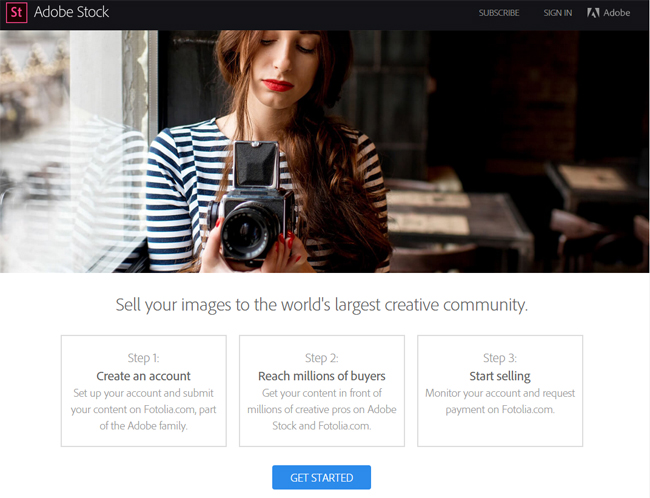
As a photographer, I’ve discovered that selling stock photos on Adobe Stock can be a lucrative way to monetize my passion. With millions of users worldwide, this platform offers an incredible opportunity to showcase my work and generate passive income.
Over the years, I’ve honed my skills in capturing high-quality images that appeal to a wide range of buyers. From businesses seeking visuals for their marketing campaigns to individuals looking for the perfect picture for their projects, Adobe Stock caters to diverse needs. In this article, I’ll share my insights on how to navigate this platform successfully and maximize your earnings as a stock photographer.
Key Takeaways
Create an Adobe ID and sign up as a contributor to start selling stock photos on Adobe Stock
Prepare high-quality, marketable images that meet Adobe Stock’s technical requirements and guidelines
Add comprehensive metadata, keywords, and necessary releases to optimize discoverability and commercial potential
Monitor sales performance and adjust pricing strategies to maximize earnings on the platform
Stay current with industry trends, diversify your portfolio, and streamline your workflow for long-term success
What Is Adobe Stock?
Adobe Stock is a stock photography platform owned by Adobe Systems. It serves as a marketplace for creators to sell their digital assets, including photos, videos, and illustrations, to a global audience of buyers. As a photographer, I find Adobe Stock to be an excellent avenue for selling stock photos and generating passive income.
The platform integrates seamlessly with other Adobe Creative Cloud applications, making it convenient for users to access and purchase stock content directly within their preferred design tools. This integration enhances the appeal of Adobe Stock photos to creative professionals and businesses alike.
Key features of Adobe Stock include:
Extensive library: Millions of high-quality images, videos, and graphics
Royalty-free licensing: Buyers can use purchased content multiple times without additional fees
Contributor tools: Streamlined submission process and analytics for sellers
AI-powered search: Advanced algorithms help buyers find relevant content quickly
For photographers looking to sell stock photos, Adobe Stock offers a competitive commission structure and exposure to a vast customer base. The platform’s reputation and integration with popular design software make it an attractive option for those seeking to monetize their creative work.
Getting Started as an Adobe Stock Contributor
Creating an Adobe ID
To begin selling stock photos on Adobe Stock, I first created an Adobe ID. This unique identifier serves as the foundation for accessing Adobe’s ecosystem of creative tools and services. Here’s how I set up my Adobe ID:
Visit the Adobe website
Click on the “Sign In” button in the top-right corner
Select “Create an account”
Enter my email address and choose a strong password
Provide my name and date of birth
Agree to Adobe’s terms and conditions
Verify my email address by clicking the link sent to my inbox
Signing Up as a Contributor
After establishing my Adobe ID, I proceeded to sign up as an Adobe Stock contributor. This process enabled me to start selling stock photos on the platform. Here are the steps I followed:
Navigate to the Adobe Stock contributor page
Click on the “Become a contributor” button
Sign in with my Adobe ID
Complete the contributor application form
Upload a government-issued ID for identity verification
Submit sample images to showcase my photography skills
Review and accept the contributor agreement
Wait for Adobe’s approval (usually takes 1-2 business days)
Once approved, I gained access to the Adobe Stock contributor portal, where I could begin uploading and managing my stock photo portfolio.
Preparing Your Photos for Submission
Choosing Marketable Subjects
I select subjects with high commercial appeal when preparing photos for Adobe Stock. Popular themes include business, technology, lifestyle, and nature. I focus on capturing images that convey concepts like teamwork, innovation, and wellness. Seasonal content and current trends also perform well. I research Adobe Stock’s best-selling categories and analyze customer search patterns to guide my subject choices.
Ensuring Image Quality
To meet Adobe Stock’s stringent quality standards, I:
Use a high-resolution camera (minimum 16 megapixels)
Shoot in RAW format for maximum editing flexibility
Ensure proper exposure and focus
Minimize noise and artifacts
Apply careful post-processing techniques
I maintain a clean, professional look by removing distracting elements and optimizing color balance. For stock photos, I aim for crisp details and vibrant colors that stand out in search results. I also consider the technical requirements for adobe stock photos, such as minimum dimensions and file formats, to ensure my submissions meet all criteria for selling stock photos on the platform.
Uploading Your Stock Photos
After preparing my images, I focus on the crucial steps of uploading them to Adobe Stock. This process involves specific formatting, metadata addition, and release documentation.
Saving Images in the Correct Format
I save my stock photos in JPEG format with a minimum size of 4 megapixels. For optimal quality on Adobe Stock, I use the highest JPEG quality setting and ensure the color profile is sRGB. I maintain a file size below 45MB to meet Adobe Stock’s requirements for selling stock photos.
Adding Metadata and Keywords
I enhance discoverability by adding comprehensive metadata to each image. This includes a descriptive title, detailed caption, and relevant keywords. I use Adobe Bridge or Lightroom to embed this information directly into the image files. For keywords, I focus on specific, accurate terms that describe the subject, concept, and visual elements of the photo.
Creating Model and Property Releases
For photos featuring recognizable people or private property, I create the necessary releases. Adobe Stock provides standard release forms that I use to obtain signed permission from models or property owners. I upload these releases along with the corresponding images to ensure legal compliance and maximize the commercial potential of my stock photos on Adobe Stock.
Submitting Photos for Approval
After preparing my stock photos, I submit them for approval on Adobe Stock. This process involves adhering to specific guidelines and understanding how to handle potential rejections.
Understanding Adobe Stock’s Guidelines
Adobe Stock maintains strict quality standards for the images they accept. I familiarize myself with their content requirements, which include technical specifications, legal compliance, and commercial viability. Adobe Stock photos must be high-resolution, well-composed, and free from copyright issues. I ensure my images meet the minimum size requirements of 4 megapixels and are saved in JPEG format with Adobe RGB or sRGB color profiles. I also avoid submitting photos with visible trademarks, logos, or identifiable people without proper releases.
Dealing with Rejections
Rejections are a common part of selling stock photos on Adobe Stock. When my submissions are rejected, I carefully review the feedback provided. Common reasons for rejection include technical issues like poor focus, noise, or artifacts. Content-related rejections may occur due to lack of commercial appeal or similarity to existing images. I use these rejections as learning opportunities to improve my photography and submission process. If I believe a rejection is unwarranted, I can request a review, providing additional context or explanation for the image.
Maximizing Your Earnings
Pricing Strategies
I set competitive prices for my adobe stock photos to maximize earnings. Analyzing market trends and competitor pricing helps determine optimal rates. I offer a range of pricing options, including standard licenses and extended licenses for commercial use. By creating tiered pricing structures, I cater to different customer needs and budgets. I regularly review and adjust my prices based on demand and seasonality to stay competitive in the market for selling stock photos.
Tracking Sales and Performance
I monitor my sales and performance metrics closely on Adobe Stock to optimize my earnings. The platform provides detailed analytics, including views, downloads, and revenue generated for each image. I use this data to identify my best-selling photos and trends in customer preferences. By analyzing which types of images perform well, I focus my efforts on creating similar content to boost sales. I also track my overall portfolio performance and compare it to industry benchmarks to ensure I’m staying competitive in the adobe stock photos market.
Tips for Success
Staying Current with Trends
I monitor industry trends to align my stock photos with current market demands. Following design blogs, social media influencers, and Adobe Stock’s own trend reports keeps me informed about emerging visual styles and themes. I adapt my photography to incorporate popular color palettes, compositions, and subjects, increasing the appeal of my adobe stock photos to potential buyers.
Diversifying Your Portfolio
Expanding my portfolio’s range boosts my chances of selling stock photos on Adobe Stock. I shoot a variety of subjects, styles, and concepts to cater to different buyer needs. This includes creating both niche-specific images and versatile, multi-purpose shots. I also experiment with different techniques, such as aerial photography or macro shots, to offer unique perspectives that stand out in the marketplace.
Optimizing Your Workflow
Streamlining my workflow maximizes productivity when selling stock photos. I use batch editing tools to process multiple images simultaneously, saving time on post-production. Implementing a consistent keywording system helps me quickly tag and categorize photos. I also create templates for model releases and property releases to expedite the submission process. By automating repetitive tasks, I focus more on creating high-quality adobe stock photos and less on administrative work.
Troubleshooting Common Issues
Rejected Submissions
I encounter rejected submissions when selling stock photos on Adobe Stock. To resolve this issue:
Review rejection reasons carefully
Address specific technical problems (e.g., noise, focus issues)
Improve image quality and composition
Resubmit corrected images
Keyword-Related Problems
Effective keywords are crucial for selling stock photos. To overcome keyword challenges:
Understand and comply with Adobe Stock’s licensing terms
Conclusion
Selling stock photos on Adobe Stock can be a rewarding venture for photographers looking to monetize their work. By following the guidelines I’ve shared you’ll be well-equipped to navigate the platform’s requirements and maximize your earning potential. Remember that success in this field requires patience persistence and a willingness to adapt. As you gain experience you’ll refine your skills and better understand what sells. Keep shooting exploring new subjects and staying current with market trends. With dedication and the right approach you can turn your passion for photography into a profitable side hustle or even a full-time career on Adobe Stock.
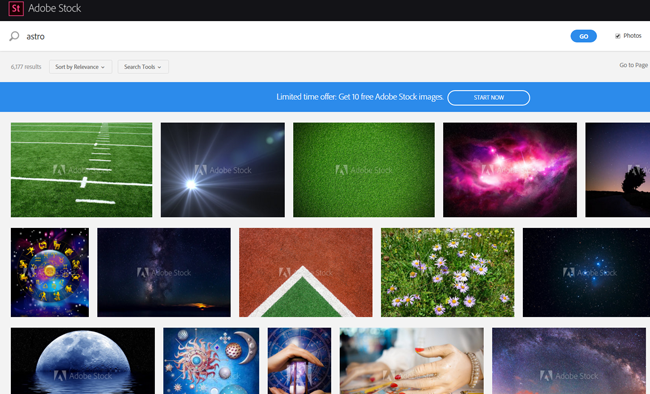
When buying cheap Astro stock photos, knowledge about cheap stock photo sites that offer the best pricing and plans is not enough. There are some things you need to remember in order to make the purchasing process interesting and stress-free. With the proliferation of image collections, you are given more choices for your creative projects. Knowing some tips on buying cheap stock images will help you find the image you need.
Check for quality. While most cheap stock photo sites offer only high quality images, it is still imperative for you to check out thumbnails to make sure that the quality is indeed superior. Look at the thumbnails to determine if the photo is suitable for your projects based on colors and themes. This will save you time and effort from clicking the image just to make sure it is what you are looking for.
Look for sign releases. Sign release is an important thing to remember when buying cheap stock images. It is included in the license when you purchase a stock photo cheap from stock photo agencies. A sign release or model release proves that the person or model in the photo agrees to use his or her image for your creative projects.
Be patient. When buying cheap stock images, it takes more than just good taste and budget. You also need patience to find the perfect image for your creative needs. With the increasing number of photos every day, it becomes more difficult for you to find what you are looking for. With patience, you will be able to get through lengthy searches and even sluggish downloading.
Be proficient in editing. While this may be optional, it helps if you know how to use photo-editing applications and software. Sometimes, you encounter photos that are not readily suitable for your projects. Thus, you need to adjust colors, brightness, position and many other factors to make it fit your needs. If you do not have the skills and time to make the edits, you can always hire someone to do it for.
Recognize the importance of cheap stock galaxy images. If you are not a professional photographer, you should recognize the fact that the image that come out from your camera is not always good enough for you projects. While you may have the necessary equipment to conduct a photoshoot, you cannot produce quality images without the right skills and knowledge. Thankfully, there are stock photos cheap from www.StockPhotoSecrets.com to save your day.
Buying cheap stock photos is not difficult if you know how to look for images and what images to look for. You need to have the knowledge and skills to determine quality, ask for model releases, and use photo-editing apps. You also need to be patient. By remembering these things, you can have a smooth and fun purchasing experience.
You can visit the resources page of this site and you can see the resources or website where we get our royalty free astro stock photos used in this website.
If money has value, wouldn’t you want to know what you’re paying for when you purchase something? Money can drive our purchasing decisions more than any other factor. Some people let money be the only deciding factor on what they purchase. These people are under the impression that if something is more expensive, then they are wasting their money. In other words, if they can get something for cheaper, they’ll always go for it. In some situations that may be the smarter route to take. However, for others – such as the case for microstock images – cheaper isn’t necessarily better.
The Appeal.
The Adobe has a rich history of catering to creative professionals over marketing professionals. It is this line of thinking that has kept them at the head of the digital media manipulation industry for years. Their most famous application, Photoshop, has no equal. In fact, before Adobe took their services to the cloud, Photoshop could easily set someone back well over $1000. Thanks to their Creative Cloud, a subscription to a fully featured version of Photoshop will set you back a mere $20 per month. A Creative Cloud membership will give you access to not only Adobe Stock but their entire lineup of digital manipulation software.
The History.
In December 2014, Adobe purchased Fotolia for $800 million in cash. Six months later, in June 2015, Adobe launched their brand-new microstock imaging service, Adobe Stock (click here for review). They decided not to dissolve Fotolia and allow it to continue operating as its own, separate business entity. The two libraries are one and the same. In fact, it is from the library over at Fotolia that enabled Adobe to launch a service with over 40 million images from day one.
The Purpose.
Just because Adobe has a history of catering to creative professionals does not mean that they are ousting or ostracizing the marketing professional. Adobe is well aware that marketing is both a science and an art. As an art, creative professionals must use their creative flair to create marketing campaigns with the right images and message. As a science, every marketing campaign is scrutinized under a slew of metrics that enable the marketer to look at the data and tweak their campaigns, making each one better and better. Marketing is one of the few industries wherein people get better at it as time progresses.
The Packages.
Adobe has three separate subscription tiers for you to choose from. The first one is synonymous with paying for an image on demand. If you needed an individual image, you could get that one image for $9.99. For about half that price, the next tier up will allow you to get 10 images for $49.99 per month. If you added to a Creative Cloud subscription and add a title from their software lineup to the subscription, such as Photoshop, you could get these same 10 images for mere $29.99 per month. Finally, if you have a need for a large amount of images per month – as a marketing agency might – you can get up to 750 images for mere $199.99 per month. It might seem like a lot of money up front, but each image will only set you back by $.26.
Licensing Options.
In addition to the standard royalty-free license, Adobe offers extended licenses. These licenses extend the capabilities of the royalty-free license and allow you to use the image in ways that you couldn’t before legally. Typical examples include calendars, T-shirts, holiday cards and find more.
The Convenience.
When you add Adobe Stock to your Creative Cloud subscription, you’re paying for the integration inconvenience of Adobe Stock. You see, before Adobe Stock, you had to either shoot your own images or subscribe to a different microstock agency and import the photos into Photoshop to manipulate them. With the way that Adobe has integrated the Adobe Stock into their Creative Cloud lineup, you can now browse, purchase and license the images from directly within the app. Now, you no longer need to leave the app to go find the image you’re looking for. Everything is done from directly within the Creative Cloud software.
The Steep Discount.
I’m going to take an educated guess and assume that the majority of people who subscribe to microstock agencies also subscribe to Photoshop. By adding Adobe Stock to your Photoshop subscription, you can get a deep discount on the images. If you look at the pricing model, you can get one image for $10. At the next level, you can get 10 images for $50, or half the price of an individual image. However, if you were to add Adobe Stock to your current Creative Cloud subscription, you can get the same 10 images for $30 per month. That’s a mere three dollars per image, offering a steep discount over individual images.
Whatever your budget and creative needs are, Adobe Stock got you covered. You can pay for your purchase or subscription via PayPal or credit card. The stock site now accepts charges to major credit cards, so you can avail of its valuable pricing and plans. Here are way to purchase Adobe Stock photos from the stock agency:
A la carte pricing. Like most stock media agencies, Adobe Stock allows you to purchase individual images. Each image cost $9.99, which is a bit higher compared to other stock sites. What sets AS apart from other cheap stock photo sites is their premium collection of images from inspiring contributors around the world. If you are looking for a high quality image for a one-time use only, this is the option for you.
10 images plan. Need more than just one image? This is the plan for you. It comes with 10 Adobe Stock photos per month. Although it is an annual plan, you pay for it monthly. A limited offer is in succession, so you might want to catch it now! Don’t worry its cancel risk-free. If you think this is not plan for you, cancel your subscription within the first month without using up your image downloads.
350 and 750 images plan. These are larger image plans for larger creative needs. Let’s say you’re working with multiple companies or running a media your own media company and you require large volumes of high quality images. These plans are perfect as they allow you to make additional downloads for only $0.99 per image.
All Adobe Stock photos come with a standard license. This means you have perpetual usage rights. You can use the images multiple times with a few restrictions. The stock site does not currently offer extended license. If you do want to purchase additional seats and unlimited reproductions or resales, you should check out other stock sites such as Fotolia.
When it comes to stock photos, a great majority of customers would always think about prices per image or subscription rates – as well as other perks that go with it. They would always want to know where they can get the cheapest stock photos.
Although it doesn’t necessarily mean that cheap stock photos are of inferior quality compared to expensive stock photos, there are a lot of customers who have limited budget to spare for project or website aesthetics so they would mostly prefer cheap stock photos – and in this case, the cheaper the better.
Finding the cheapest stock photo site needs research and, sometimes, even scouring the web for quality websites that could give you the best offer for your buck – or cents. There are a lot – and I mean A WHOLE LOT – of websites that promises “the cheapest stock photos” but fails in the quality or quantity department, so there’s no point in investing there.
To spare you the trouble of spelunking through the every crevice in the internet to find the cheapest stock photo site that’s rich in both quality and quantity, here’s a list of the top 5 stock photo agencies. The list will give you an insight about each site’s offers and pricing and the top one is where you can find the cheapest stock photos for your project and website needs.
Number 5 – Shutterstock
Shutterstock has a pricing of a single royalty-free stock photo at $0.28. New users will also have access to their weekly free photos and other bonuses.
Number 4 – Dreamstime
Dreamstime offers $0.20 for a single royalty-stock photo and, like other stock photo websites, they also offer a free photo gallery when you sign up for a new membership. Dreamstime has a very flexible purchasing system that will conveniently lead you to the images section worth $0.20 apiece.
Number 3 – Fotolia
Fotolia offers an even cheaper price than the previous two agencies. With $0.14 for one royalty-free stock photo, their website also has a free image gallery, and an option to download a Microsoft add-on and a Fotolia Desktop for the users’ convenience.
Number 2 – Depositphotos
As one of the most popular sites around, Depositphotos offers both quality and quantity stock photos for their clients and a cheap price per photo at $0.10 apiece. New users can also enjoy their free trial for all new members which enables them to download 35 free stock photos (5 photos per day for a 7-day period). They also let users have the option to choose their buying plan for more $0.10 images. With these much advantages, they are surely a site worth checking out.
Best Cheapest Stock Photo Site – Photospin
And last, but not least, on the list of the cheapest stock photo agency on a price per photo comparison goes to Photospin. Users can spend for as low as $0.01 per stock photo with over 2.5 million images to choose from. Although it isn’t as much as other popular stock agencies, but with that cheap price there’s no way you can possibly pass up on such an offer. That amount of image library is still definitely large enough to at least contain several images that you need.













 If money has value, wouldn’t you want to know what you’re paying for when you purchase something? Money can drive our purchasing decisions more than any other factor. Some people let money be the only deciding factor on what they purchase. These people are under the impression that if something is more expensive, then they are wasting their money. In other words, if they can get something for cheaper, they’ll always go for it. In some situations that may be the smarter route to take. However, for others – such as the case for microstock images – cheaper isn’t necessarily better.